
GAA Injury Recovery Tips: Recovering Quickly from GAA Injuries

Injuries are an unfortunate part of playing Gaelic Athletic Association (GAA) sports. Whether it’s hurling, football, or camogie, the physical demands can sometimes lead to strains, sprains, or more serious injuries. But here’s the good news - with the right approach, you can recover quickly and get back on the pitch stronger than before. I want to share some practical, easy-to-follow tips that will help you bounce back from your GAA injury with confidence and care.
Understanding Your Injury and Its Impact
The first step in recovering quickly is understanding what kind of injury you have. GAA injuries often involve muscles, ligaments, or joints. Common ones include ankle sprains, hamstring strains, and shoulder injuries. Knowing the severity and type of injury helps you choose the best recovery path.
For example, a mild ankle sprain might only need rest and gentle movement, while a more serious ligament tear could require professional treatment and a longer rehab period. Don’t rush this step. Listen to your body and seek advice from a healthcare professional if you’re unsure.
Tip: Keep a simple injury diary. Note when the pain started, what movements hurt, and any swelling or bruising. This information can be very helpful for your therapist or doctor.

GAA Injury Recovery Tips: Practical Steps to Speed Up Healing
Now that you understand your injury, let’s talk about how to recover quickly. Here are some key tips that I find really helpful:
Rest and Protect
Give your injured area time to heal. Avoid activities that cause pain or put stress on the injury. Use supports like braces or taping if recommended.
Ice and Elevate
Applying ice packs for 15-20 minutes every 2-3 hours during the first 48 hours can reduce swelling and pain. Elevate the injured limb to help decrease inflammation.
Gentle Movement
After the initial rest, start gentle movements to keep the joint or muscle flexible. This prevents stiffness and promotes blood flow, which is essential for healing.
Nutrition and Hydration
Eating a balanced diet rich in protein, vitamins C and D, and minerals like zinc supports tissue repair. Staying hydrated also helps your body recover faster.
Follow a Rehab Plan
A structured rehab plan tailored to your injury is crucial. This might include specific exercises, stretches, and gradual return to sport activities.
If you want to explore professional guidance, consider rehab for gaa injuries to get personalised support and expert care.
The Role of Physiotherapy in GAA Injury Recovery
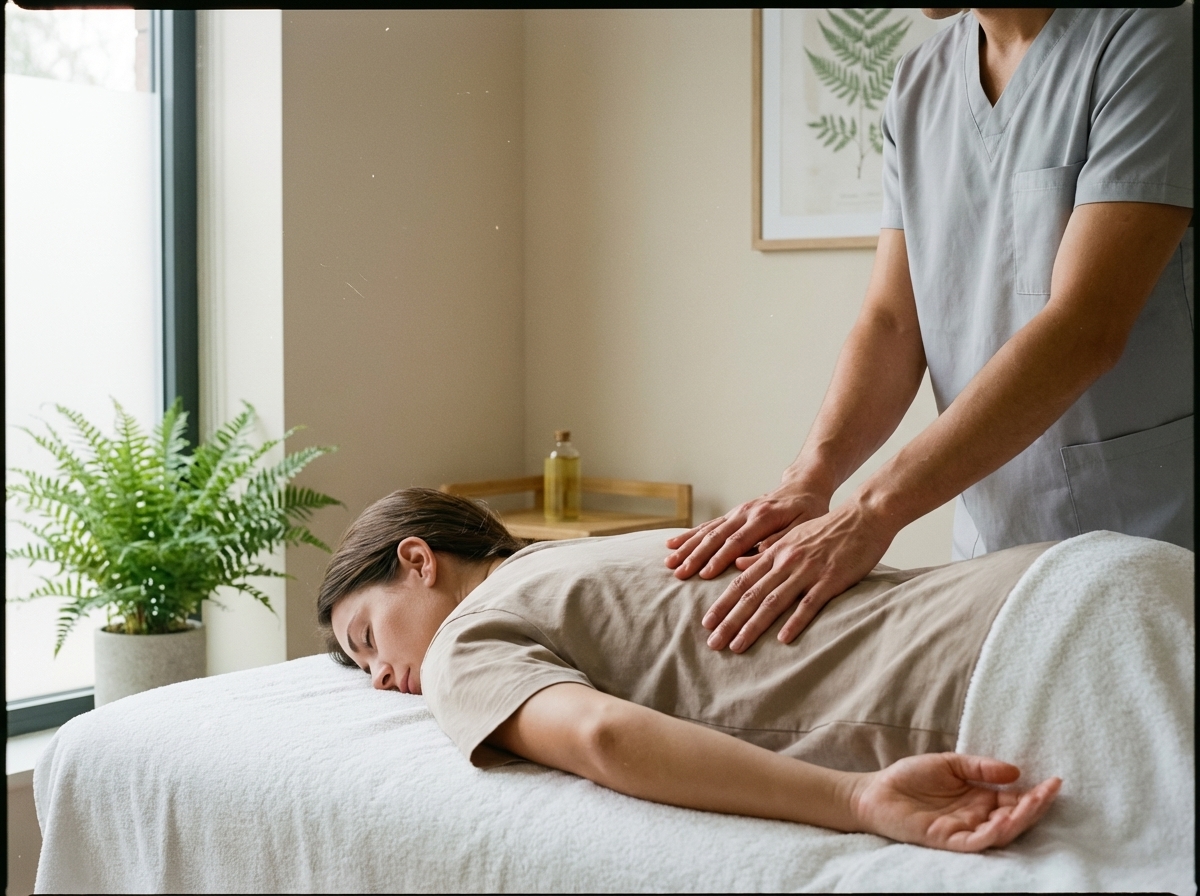
Physiotherapy plays a vital role in helping you recover quickly and safely. A skilled physiotherapist will assess your injury and design a rehab program that suits your needs. This often includes:
Manual therapy to reduce pain and improve joint mobility
Strengthening exercises to rebuild muscle and support injured areas
Balance and coordination drills to prevent future injuries
Education on posture, movement, and injury prevention
I always encourage people to be patient with this process. Progress might feel slow at times, but every small step counts. Trust the journey and stay consistent with your exercises.

Staying Positive and Motivated During Recovery
Recovering from an injury can be frustrating. You might feel impatient or worried about missing games. It’s completely normal to have these feelings. What helps me is focusing on what I can do rather than what I can’t.
Set small, achievable goals each week
Celebrate progress, no matter how minor
Stay connected with your team and support network
Use relaxation techniques like deep breathing or meditation to manage stress
Remember, your body is healing and adapting. This time is an opportunity to build resilience and learn more about your physical limits.
Returning to Play Safely and Confidently
Getting back on the field is exciting but requires caution. Rushing back too soon can lead to re-injury. Here’s how to make your return safer:
Follow your rehab plan fully before resuming full training
Start with light drills and gradually increase intensity
Use protective gear if recommended
Listen to your body and stop if you feel pain or discomfort
Keep up with maintenance exercises even after you return
By taking these steps, you reduce the risk of setbacks and improve your long-term performance.
Embracing a Holistic Approach to Long-Term Health
Recovering quickly is important, but so is maintaining your overall health and mobility. Consider incorporating regular stretching, strength training, and proper warm-ups into your routine. These habits help prevent injuries and keep you feeling your best.
At Cork Care Clinic, we believe in personalised care that supports your whole body. Whether you’re recovering from a recent injury or managing ongoing pain, the right approach can make all the difference.
I hope these tips help you feel more confident and supported on your recovery journey. Remember, healing takes time, but with patience and the right care, you’ll be back playing the sport you love before you know it. Keep moving forward - your body and mind will thank you!


Comments