
Effective GAA Injury Rehabilitation Strategies for a Stronger Recovery

Playing Gaelic Athletic Association (GAA) sports is thrilling and rewarding, but injuries can sometimes interrupt your passion. When that happens, knowing the right rehabilitation strategies can make all the difference. I want to share with you some effective ways to recover safely and get back on the pitch stronger than ever.
Understanding GAA Injury Rehabilitation
Rehabilitation after a GAA injury is more than just rest. It’s a carefully planned process that helps your body heal, regain strength, and prevent future injuries. Whether you’re dealing with a sprain, strain, or something more serious, a tailored rehab plan supports your recovery journey.
The first step is always a proper assessment. This helps identify the injury’s severity and the best approach to treatment. From there, rehab focuses on reducing pain and swelling, restoring movement, and gradually rebuilding strength.
Why Rehab Matters
Skipping or rushing through rehab can lead to setbacks or chronic problems. Taking the time to follow a structured program ensures your body heals correctly. It also boosts your confidence, knowing you’re ready to return to play safely.
Key Phases of GAA Injury Rehabilitation
Rehabilitation typically follows a few important phases. Each phase has specific goals and exercises designed to help you progress steadily.
1. Acute Phase - Protect and Rest
Right after an injury, your priority is to protect the area and reduce inflammation. This usually means:
Resting the injured part
Applying ice packs regularly
Using compression wraps if needed
Elevating the limb to reduce swelling
During this phase, gentle movements might be encouraged to prevent stiffness, but avoid anything that causes pain.
2. Recovery Phase - Regain Mobility
Once swelling and pain decrease, it’s time to focus on restoring your range of motion. Simple stretching and mobility exercises help prevent stiffness and prepare your muscles and joints for strengthening.
For example, if you have a knee injury, gentle knee bends and straightening exercises can be very helpful. The key is to move within a pain-free range and increase intensity gradually.
3. Strengthening Phase - Build Back Power
After regaining mobility, strengthening exercises become the focus. These help rebuild muscle strength and support around the injured area. Strong muscles protect your joints and reduce the risk of re-injury.
Start with low-impact exercises like resistance bands or bodyweight movements. As you improve, you can add more challenging activities such as squats, lunges, or balance drills.
4. Functional Training - Prepare for Play
The final phase involves sport-specific drills that mimic the movements you’ll use in GAA games. This might include running, jumping, cutting, and agility exercises. The goal is to restore your confidence and ensure your body can handle the demands of the sport.
Working with a professional during this phase is especially helpful. They can guide you safely through the drills and adjust your program as needed.

Practical Tips for a Successful Rehab Journey
Rehabilitation can feel challenging, but a few simple strategies can make it easier and more effective.
Stay consistent: Regularly doing your exercises is key to progress.
Listen to your body: Some discomfort is normal, but sharp pain is a warning sign.
Set small goals: Celebrate each milestone, no matter how small.
Stay positive: Recovery takes time, but every step forward counts.
Seek support: Don’t hesitate to ask for help from therapists or trainers.
Remember, rehab for gaa injuries is a journey, not a race. Patience and persistence pay off.
How Personalized Care Enhances Recovery
Every injury and individual is unique. That’s why personalized care is so important. Tailoring your rehab plan to your specific needs, injury type, and lifestyle helps you recover more efficiently.
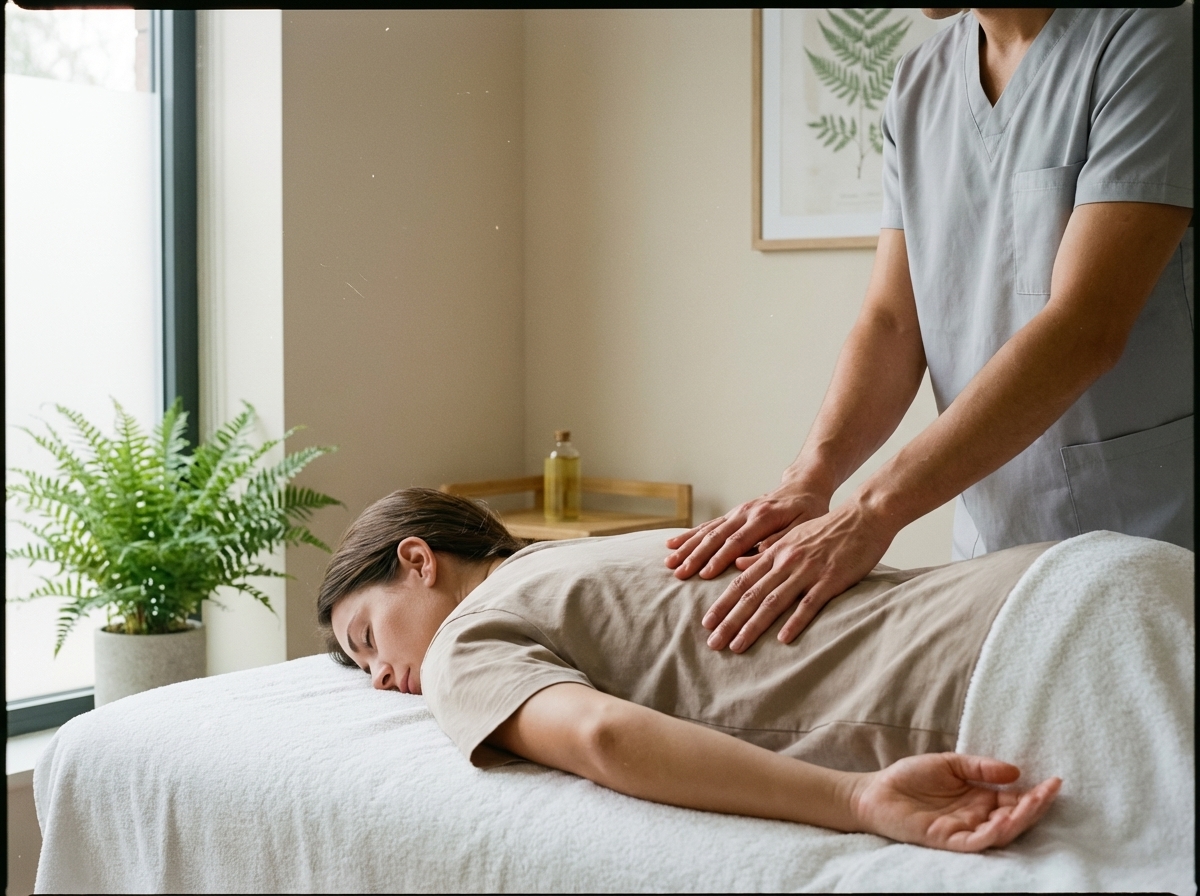
At Cork Care Clinic, for example, we focus on combining manipulative therapy, sports orthopedics, and cranial therapy to support your healing. This holistic approach addresses not just the injury but your overall health and mobility.
Working closely with a specialist means you get expert guidance, adjustments to your program, and encouragement along the way. This kind of support can make your rehab experience more comfortable and successful.

Encouragement for Your Recovery Path
Injuries can be frustrating, but they also offer a chance to learn more about your body and build resilience. Embrace your rehab journey with kindness towards yourself. Celebrate the progress you make each day.
If you want to explore more about effective rehab for gaa injuries, you can find helpful resources and support that guide you through every step.
Remember, you’re not alone in this. With the right strategies and support, you’ll be back to enjoying your sport and daily activities with confidence and strength.
Taking the Next Step in Your Healing
If you’re ready to start or improve your rehabilitation, consider reaching out to a trusted clinic that understands your needs. Personalized care, expert advice, and a supportive environment can make all the difference.
Your body is capable of amazing recovery when given the right tools and time. Keep moving forward, stay positive, and know that better days are ahead. Your journey to full health and mobility is within reach.


Comments